Categories
Agriculture & Landscaping

Forestry Mulching Fairfield: Ideal for Steep Slopes and Sensitive Areas

Timberland Mulching: Pros and Recommended Techniques

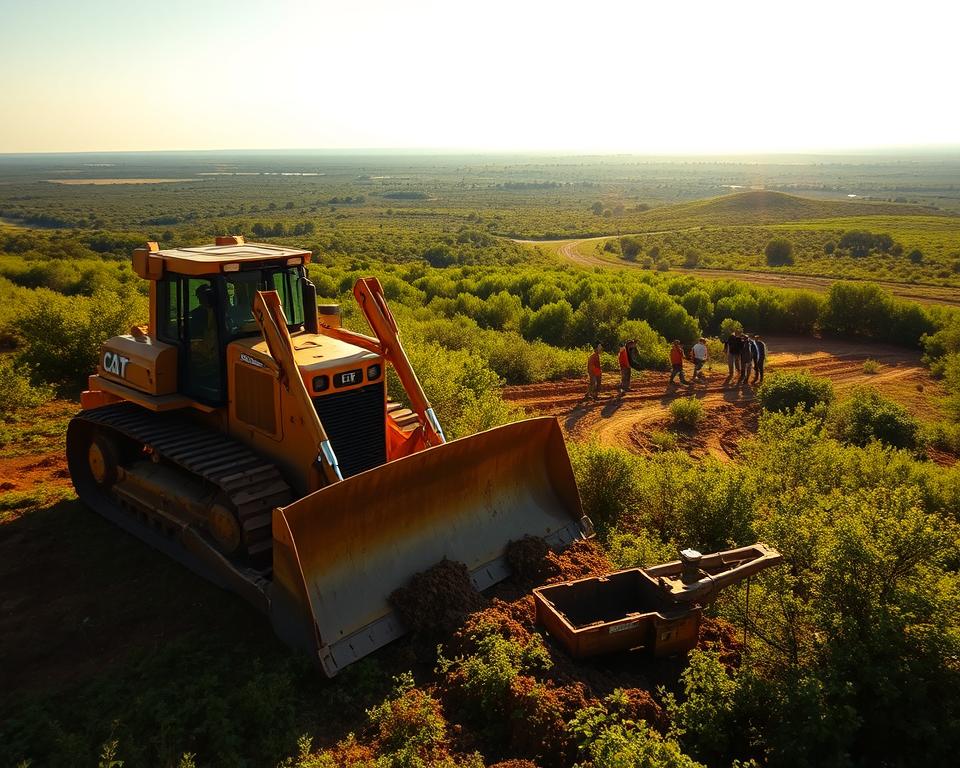
Were you aware forest mulching is able to cut land clearing time as much as 75%? This fact emphasizes the effectiveness of forestry mulching near me. It does not just removes unwanted vegetation but also improves ecological health. By transforming vegetation into mulch, it yields several benefits, including better soil quality, less erosion, and greater biodiversity.

As land management progresses, understanding the best forestry mulching practices is key. This is vital for landowners and ecologists seeking sustainable outcomes.

Important Discoveries

  • Forest mulching can substantially streamline the land clearing process.
  • This approach enhances ecological sustainability and soil health.
  • Grasping best practices is essential for efficient forestry mulching.
  • Lowers erosion and encourages plant growth through nutrient cycling.
  • Forest mulching cuts the carbon footprint compared to traditional clearing methods.

Understanding Forestry Mulching

Forest mulching constitutes a land management technique that pulverizes vegetation into mulch, returning it to the soil. It clears land and enriches the earth with organic material, enhancing soil health. This method is both efficient and sustainable.

How It Works

Forest mulching involves using powerful machinery to grind vegetation into small particles. This method eliminates the need for burning or removing debris, making it a eco-friendly option. The machinery functions efficiently, minimizing soil disturbance and protecting existing flora while enhancing the ecosystem.

Required Equipment

Effective mulching services depend on various forestry equipment. Forestry mulchers, designed for attachment to skid steers, excavators, and tractors, are key. These machines, fitted with advanced technology, guarantee land is cleared swiftly and sustainably. The selection of equipment is essential to the mulching process’s success.

Equipment Type Function Benefits
Forestry Mulcher Chips vegetation Reduces debris and nourishes soil
Skid Steer Loader Manoeuvrability in tight spaces Flexible and effective in small areas
Excavator Heavy-duty land clearing Extremely efficient for larger projects
Tractor with Mulcher Attachment Broad area coverage Productive for open fields

Tx

Benefits of Forestry Mulching

Forestry mulching provides numerous perks for both the environment and the economy. It significantly contributes to environmental conservation and offers economic benefits for landowners and operators. This approach efficiently manages land, addressing various challenges at once. It stands out as a key approach in the field.

Eco Benefits

Forestry mulching improves soil fertility, a essential environmental benefit. As mulch breaks down, it returns nutrients to the soil, promoting healthier ecosystems. This process is essential for sustaining plant life through nutrient cycling.

The mulch layer also reduces soil erosion, a major issue in deforested or disturbed areas. It secures the soil and minimizes run-off, serving an essential function in maintaining land integrity.

Economic Impact

From an economic standpoint, forest mulching offers substantial cost savings. It combines several land management tasks into one, lowering labor and machinery costs. This simplifies land clearing and maintenance, resulting in increased efficiency.

Over time, landowners can see substantial reductions in project costs. This bolsters the economic viability of their land management strategies.

Soil Health Enhancement

Forest mulching plays a vital role in boosting soil health. It does so through nutrient cycling, where organic matter nourishes the soil with vital nutrients. This improves the soil, supporting plant life and fostering a thriving ecosystem. Proper mulching techniques improve soil structure and boost microbial activity, key for long-term sustainability.

Decomposition and Nutrient Release

The decomposition of mulch is key to nutrient cycling. Microorganisms break down organic materials, releasing essential nutrients like nitrogen, phosphorus, and potassium. This makes nutrients accessible to plants, promoting healthy growth and soil health. Healthy soil holds moisture better and supports diverse plant species, increasing biodiversity.

Erosion Control

Forestry mulching also limits soil erosion. The mulch layer protects the soil from wind and rain, preventing erosion. By covering the land, mulching reduces runoff and maintains soil integrity. This protection is essential for maintaining the ecosystem and ensuring the landscape remains vibrant and productive.

Saving Time and Boosting Efficiency

Forest mulching serves as a game-changer in land management, focusing on efficiency and saving time. It makes land clearing faster by combining several tasks into one. This approach reduces the time needed to get a site ready.

Rapid Clearing

Forest mulching renders land clearing quick and easy. Unlike traditional methods that need different machines for each step, this method does it all in one go. It reduces the need for labor and equipment, accelerating projects and lowering environmental harm.

Cost Savings

Forest mulching is not just fast; it’s also cheaper. It cuts down on labor and equipment costs by streamlining processes. This means less money spent for landowners, making it a great choice for big areas or complex projects.

Vegetative Control Methods

Proper vegetation management is about keeping ecosystems healthy. It’s key to control invasive species and encourage native plants. These steps matter most for preserving biodiversity and achieving environmental balance.

Invasive Plant Control

It’s essential to manage invasive species to protect native ecosystems. These invasive plants can crowd out local flora, causing biodiversity loss. Forestry mulching helps by grinding up these invaders, enabling native plants to reclaim their space.

This method reduces the need for herbicides, promoting a greener environment.

Encouraging Indigenous Plants

Forestry mulching aids native plant growth by improving their living conditions. The mulch nourishes the soil, holds moisture, and keeps weeds at bay. As it decomposes, it provides nutrients and creates a natural habitat for wildlife.

By adopting these practices, we improve vegetation management and support ecosystem restoration.

Green Conservation

Forest mulching emerges as a key player in environmental conservation. It not only aids in land clearing but also significantly contributes to reducing carbon footprints and conserving biodiversity. This sustainable method merges ecological responsibility with effective land maintenance.

Lowering Emissions

Forestry mulching provides substantial advantages in lowering carbon emissions from traditional land clearing methods. Unlike standard methods, which rely on heavy machinery that pollutes, forestry mulching uses specialized, eco-friendly equipment. This minimizes environmental impact. The organic residue left behind acts as natural mulch, helping with carbon capture and improving soil quality.

Wildlife Support

Forest mulching also plays a vital role in biodiversity conservation. It manages land sustainably, preserving essential vegetation. This approach encourages the growth of native plant species, creating a balanced ecosystem. The reduced soil disturbance benefits wildlife, supporting their habitats and contributing to the overall health of landscapes.

Optimal Mulching Practices

Proper forestry mulching necessitates meticulous site preparation and the correct equipment selection. Proper site preparation enhances mulching efficiency and ensures successful vegetation management outcomes.

Land Prep Methods

Effective site preparation matters most for achieving top results in forestry mulching. Techniques include:

  • Clearing oversized vegetation that may hinder the mulching process.
  • Using chemical treatments to control harmful species that compete with native plants.
  • Performing soil assessments to determine pre-existing conditions and make informed decisions.
  • Building access paths to facilitate the transport of mulching equipment.

Equipment Selection

Selecting the right mulching equipment matters most based on terrain and vegetation types. Considerations include:

  • The density and height of the vegetation to be mulched.
  • The terrain type, which may need specialized machinery for uneven or rugged landscapes.
  • Power requirements to ensure efficiency and effectiveness during operation.
  • Maintenance needs and availability of service for the selected equipment.

Mulching Safety

Ensuring safety in forestry mulching matters most to protecting workers and machinery. Proper training for operators is essential. It helps them understand equipment and safety protocols, reducing accident risks. Using personal protective equipment (PPE) also reduces injury chances and enhances emergency response.

Training and Protective Gear

Comprehensive training programs are vital for operators in forestry mulching. These programs should cover several essential areas:

  • Knowing machinery functions
  • Recognizing hazards associated with forestry mulching
  • Implementing safe operating procedures
  • Wearing personal protective equipment

Wearing appropriate PPE, such as helmets, gloves, and eye protection, matters most. Each piece of PPE is designed to protect against specific mulching risks.

Equipment Checks

Regular equipment maintenance is vital for the reliability and safety of forestry mulching machinery. Maintenance procedures should include:

  • Routine checks of hydraulic systems and blades
  • Monitoring engine performance and fuel levels
  • Verifying safety features are functioning correctly
  • Conducting thorough inspections before and after operations

Following maintenance schedules aids prevent malfunctions, improving safety in forestry mulching. A dedication to rigorous equipment maintenance ensures a productive and secure work environment.

Mulching Uses

Forest mulching is a key tool in land management, assisting in various applications that enhance environmental and economic benefits. It’s flexible, supporting land restoration and playing a big part in fire prevention. This method controls vegetation well, leading to healthier ecosystems and lower wildfire risks.

Land Restoration Projects

In land restoration, forestry mulching helps remove invasive species and weeds. These can harm native plants. It nourishes the soil, making it better for desired plants to grow. This leads to more biodiversity and sustainable ecosystems.

Wildfire Mitigation

Forestry mulching is also great for fire prevention. It clears dense vegetation that can start wildfires. This creates safe spaces around properties and key infrastructure. It lowers fire risk and promotes native plants to grow back.

Conclusion

Forest mulching stands out as a flexible and eco-friendly land management approach, bringing numerous benefits. It not only enhances soil health but also greatly reduces wildfire risks. This method supports diverse ecosystems, making it a essential choice for landowners and organizations.

This technique merges environmental sustainability with economic efficiency, appealing to those aiming to improve their landscapes. It preserves ecological balance while being a cost-effective solution for clearing unwanted vegetation. This promotes native species and boosts land quality. As adoption grows of forestry mulching, healthier and more resilient ecosystems become a reality.

Adopting forestry mulching solves immediate land management issues and benefits the environment in the long run. Each application moves us closer to a sustainable future. It ensures that both current and future generations can enjoy the fruits of a well-managed landscape.
Categories
Agriculture & Landscaping

Forestry Mulching Applications for Denton Hunting Property Enhancement

Expert Tips: Open Paths in Wooded Estate

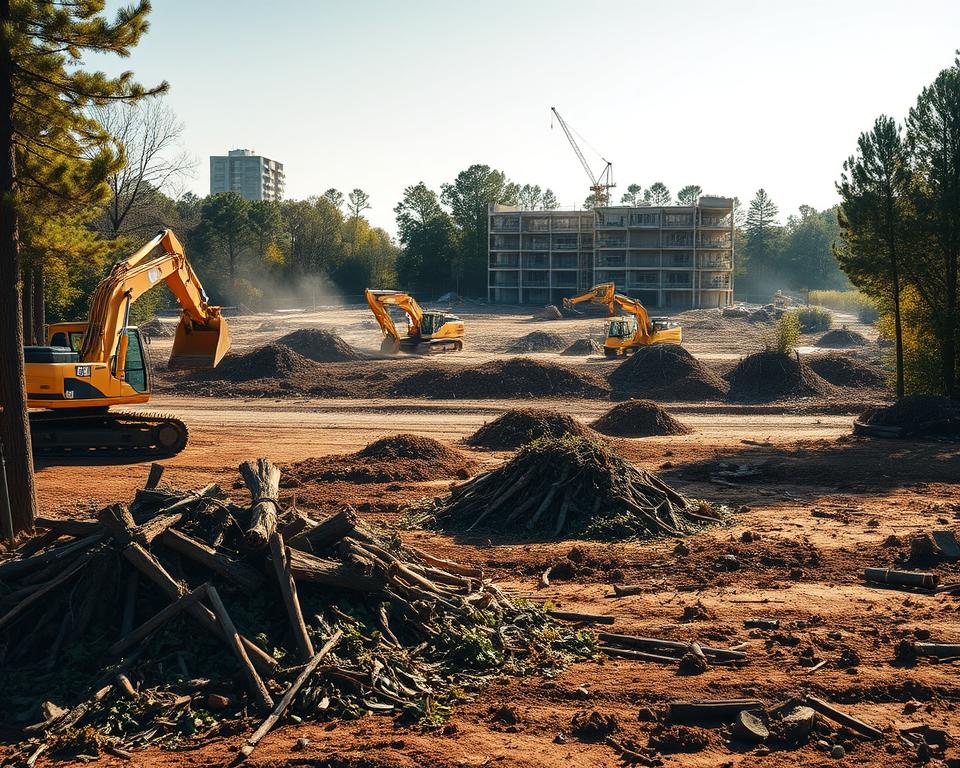
Did you realize almost 80% of homeowners with wooded property rarely explore beyond their yard? This figure highlights the essential requirement for effective path opening and maintenance. Clearing paths and trails in forest areas not only enhances reachability but also improves security and navigation. The following piece will delve into professional methods and perspectives from seasoned trail builders.

They will share ways to design well-planned trails that optimize your nature space’s usefulness while maintaining its environmental wholeness. Uncover the key considerations for land clearing and approaches for effective wooded property upkeep solutions. Such can make your experience through your natural surroundings more enjoyable.

Fundamental Insights

  • Comprehending the value of clearing trails for reach and security.
  • Assessing location attributes to define the purpose of your paths.
  • Employing the right tools for efficient trail clearing.
  • Selecting suitable ground materials that match with landform.
  • Incorporating sustainable practices when opening trails.
  • Recognizing common mistakes to avoid during the trail-clearing process.

Significance of Path Clearing in Woodland Estates

Keeping clear paths in wooded zones is essential for several reasons. It significantly improves ease of access, making it simpler to traverse dense bushes. This permits property owners and guests to completely appreciate the environment. This clearing also supports various activities like hiking, bird watching, or just relishing nature.

Boosting Access

Open paths do more than just facilitate movement; they also deepen our link with nature. Through enhancing access, landowners make available the outdoors to more people. Such benefits is beneficial for personal use or group gatherings, fostering exploration and appreciation of the environment.

Promoting Safety and Navigation

The significance of safety on forest paths is paramount. Marked routes provide straightforward navigation and minimize hazards from rough ground, hidden obstacles, or abrupt plant growth shifts. Landholders commit in creating safe paths, boosting confidence in wilderness adventures.

Tx31

Planning Your Woodland Trail

Successful path design requires a thorough understanding of the landscape. It’s about assessing terrain and location factors. Knowing the trail’s goal is also key, as it shapes design and upkeep.

Assessing Ground and Location Attributes

When evaluating terrain, several factors are essential. These include:

  • Soil types that influence water flow and steadiness
  • Slope degree affecting ease of access and security
  • Existing vegetation that may require removal or protection

By assessing these factors, trails can withstand various weather conditions. Such routes also accommodate regular foot traffic. Such planning ensures the path is durable and respects the land’s natural features.

Setting the Trail Objective

Path planning success depends on a clear objective. Think about the uses the trail will serve, such as:

  1. Recreational walking and nature appreciation
  2. Entry for upkeep or land management
  3. Chances to watch fauna and learning

Understanding the trail’s goal directs many decisions. This includes the trail’s breadth and construction materials. Identifying the trail’s goal is crucial for creating a route that meets its requirements.

Essential Equipment for Path Opening

Effective path clearing demands the right tools for various jobs. The correct tools increase productivity and security, simplifying the process. The choice between hand tools and power tools depends on the task’s size, ground, and material volume.

Fundamental Handheld Tools

Manual implements are key for accuracy and flexibility in clearing overgrown zones. Crucial tools include:

  • Pruning loppers: Ideal for cutting through heavy branches and bushes.
  • Hand saws: Perfect for detailed slicing on trees.
  • Digging tools: Useful for excavating and creating drainage ditches.

Such instruments offer a manual approach, crucial for sensitive areas where heavy equipment could damage.

Motorized Tools for Speed

For big path clearing jobs, power tools are a game-changer. They make the process faster and more productive. Key equipment include:

  • Chain saws: Perfect for felling big trees and slicing thick underbrush.
  • Brush-cutters: Fast for removing thick grass and young shoots.

Power equipment reduces opening time, making it suitable for large areas. Safe operation is imperative to prevent injuries.

Approaches for Path and Trail Preparation

Clearing routes and trails in wooded grounds demands thoughtful planning. It is essential to balance practicality with eco-friendliness. Efficient vegetation management maintains the natural ecosystem’s harmony while creating functional routes. This equilibrium is crucial to a positive exterior encounter.

Clearing Overgrowth and Vegetation

Selective clearing techniques are essential when tackling overgrowth. Hand tools allow for precise extraction of undesirable vegetation without harming the habitat. This method encourages the flourishing of preferred species while controlling foreign species. Ongoing maintenance stops resurgence, improving path safety and ease of travel.

Designing Eco-Friendly Trails

A sustainable path design is more than aesthetic; it includes choosing materials that reduce erosion and improve water runoff. These strategies respect the environment and reduce environmental harm. Using local rock or reclaimed wood supports long-term durability and environmental balance. Careful planning achieves a balance between functionality and environmental preservation.

Trail Surface Options: Finding the Right Fit

Choosing the appropriate path covering is critical for both usability and durability. The choice between natural and man-made surfaces affects upkeep, user experience, and path lifespan. Understanding the various options and their suitability for your terrain is crucial to creating an optimal route.

Organic versus Synthetic Trail Covers

Natural surfaces, such as pebbles, crushed stone, or wood chips, are often more affordable. They integrate well with the surroundings, allowing water flow and a organic appearance. In comparison, synthetic covers like masonry tiles are more long-lasting and appropriate for intensive traffic. Every option has its benefits and disadvantages, depending the planned use and environmental conditions.

Choosing the Right Materials for Your Terrain

Choosing the right materials involves evaluating soil type, drainage needs, and budget. Below is a simple guide to common materials:

Material Advantages Disadvantages Cost per Square Foot
Gravel Affordable, Effective water flow Requires regular top-up $1 – $3
Crushed Stone Stable surface, Organic appearance Potentially slippery when wet $2 – $5
Wood Chips Environmentally friendly, Comfortable to walk on Needs frequent topping up $1 – $2
Concrete Pavers Tough, Minimal upkeep Higher upfront cost $5 – $15

Thoughtfully choosing trail surface materials guarantees your paths are practical and enhance the area’s scenic appeal.

Building Bridges and Turnpikes

Creating paths in wooded areas demands careful consideration of elevation changes. This is crucial for smooth crossings across various landforms and maintaining trail accessibility over time. Building bridges for paths is often necessary, mainly when crossing marshy spots or low-lying ground.

When to Consider Elevation Changes

Elevation in path design is often due to uneven landscapes. Significant level changes necessitate builds like bridges or raised walkways to maintain trail integrity. This method helps avoid soil erosion and maintains user safety, essential for both casual hikers and serious nature lovers.

Materials for Building Bridges Over Wet Areas

The choice of materials for turnpikes and overpasses is critical for their safety and longevity. Timber beams, masonry units, or treated lumber can provide the necessary support against load and environmental factors. It’s crucial to choose materials that are moisture-proof to avoid decay and allow future adjustments.

Sustaining and Servicing Trails

Keeping paths safe and open requires ongoing care. Frequent inspections assist in identifying issues early, making sure visitors have a good time. It’s essential to maintain trails throughout the year, as weather changes can impact them. This part will outline a comprehensive maintenance checklist and the benefits of hiring expert trail maintenance services.

Seasonal Maintenance Checklist

A complete checklist helps path custodians keep their trails in prime condition all year. Key tasks include:

  • Removing obstacles such as downed limbs and foliage.
  • Inspecting path layers for wear and tear, after bad weather.
  • Assessing drainage systems to prevent water buildup.
  • Fixing soil washout by adding gravel as required.
  • Updating markers and signs for clear direction.

Expert Path Care Providers

For those requiring expert help, specialized trail maintenance services are a great choice. They offer:

  • Comprehensive path evaluations by skilled experts.
  • Advanced repairs and rehabilitation of busy trails.
  • Employing specialized equipment for better path treatment.
  • Implementing sustainable methods to prolong trail life.

Hiring professional trail maintenance saves time for additional outdoor pursuits. It also introduces expert skill.

Beautifying Trail Borders

Garden design is crucial to making paths visually appealing. By thoughtfully choosing flora and materials, you can craft an inviting environment. This not only draws guests but also supports local habitats. The ideal plants for trails add aesthetic appeal and maintain environmental stability.

Adding Plants for Attractiveness

When designing trail landscaping, selecting the appropriate plants is critical. Local species are ideal as they naturally fit in with the surroundings. They require less maintenance and offer homes for local fauna. Combine blooming flora, bushes, and grasses for a varied, appealing ambiance around paths.

Employing Borders and Rock Edges

Border supplies like stones and pavers are important for trail structure. They define the route and contribute to its aesthetic. These materials prevent ground washout and offer a neat border with plants. Using varied textures and colors can render the trail more engaging.

Eco-Friendly Path Preparation

Path clearing tasks should prioritize eco-consciousness. Responsible ground care practices help preserve the site’s ecological integrity. This method ensures paths harmonize with nature harmoniously.

Eco-Friendly Clearing Methods

Adopting sustainable approaches in trail opening is critical. Low-impact methods minimize soil erosion and protect habitats. Targeted removal and eco-friendly materials minimize land disturbance.

Learning the terrain and vegetation is key. It aids responsible clearing and enhances trail functionality.

Effect on Fauna and Flora

Fauna evaluations are vital in path development. They help gauge the task’s impact on local animals and flora. This allows for required changes before construction begins.

Identifying critical habitats prevents environment disruption. This equilibrium ensures a healthy ecosystem for every form of life.

Trail builders can create eco-friendly pathways with careful planning. This commitment to eco-friendly practices and fauna protection improves nature engagement. It balances leisure pursuits with nature’s respect.

Pitfalls to Avoid in Path Opening

Engaging in path opening requires steering clear of common pitfalls to avoid long-term issues. Recognizing these errors allows for improved planning and implementation. By focusing on simple trail layout and managing drainage, one can prevent extensive upkeep demands.

Over-Complicating the Path Design

Trail management often succumbs to the trap of overengineering path layout. Numerous users think complex designs render paths more appealing. However, simplicity is often the secret to success. Simple paths enhance wayfinding and upkeep, reducing hurdles.

Avoidable twists and intricate features can cause trail design errors. These errors complicate utilization and wayfinding, making paths less pleasant.

Neglecting Water Management

Ignoring drainage challenges in trails can have severe outcomes. Adequate water management prevents water accumulation, which can wash out trails and damage grounds. Adequate water control measures are crucial for a long-lasting trail.

Ensuring water flows away from the trail protects the route and protects the ecosystem. This allows for a more pleasant outdoor experience.

Conclusion

Trail clearing is essential for those who desire to fully appreciate their wooded properties. It enhances accessibility and security, making exterior spaces enjoyable for all. Woodland paths provide more than mere beauty; they provide opportunities for recreation and learning about the environment.

Effective design and execution are key in path opening. Evaluating ground and choosing the right resources are essential for creating durable paths. Ongoing maintenance keeps these trails secure and accessible, promoting a ongoing link with nature.

By grasping the ideas discussed above, you can design and maintain paths that serve both practical and recreational needs. Embracing forest paths can transform your grounds into a sanctuary for adventure, relaxation, and valuing the environment.